
Clogged, leaking or hard-to-clean toilet? Master these tips and no plumber needed!
Household devices tend to develop issues after long-term use. When it comes to toilets, which we use every day, do you have these troubles: weak flush with low water volume? Non-stop intermittent water flow while flushing? Frequent clogs? Unbearable odors?
Calling a plumber for every repair is time-consuming and troublesome. Can’t you fix it easily by yourself?
Actually, you absolutely can!
These inspection methods and handy tips below will surely bring convenience to your life!
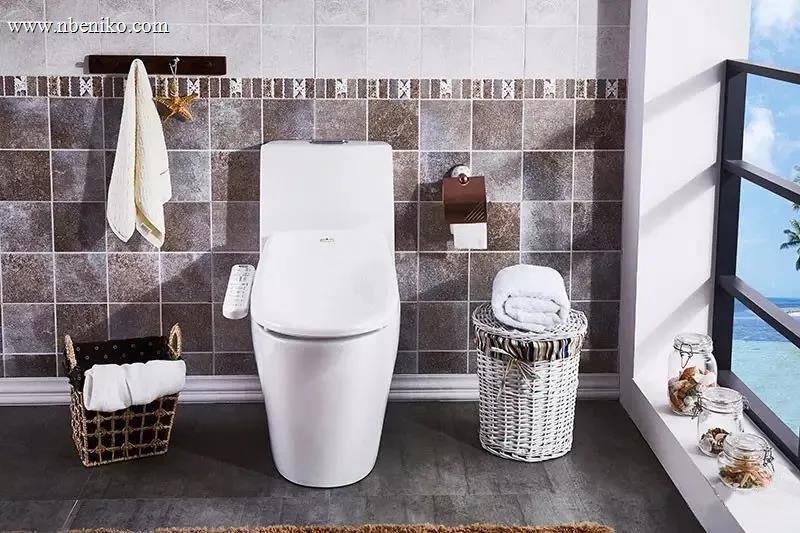
01 Weak Flush When you flush the toilet after use, you may often find low water volume with little force. Luckily, there is one simple trick to fix this problem easily!

First, check whether the push rod on the toilet tank is set too low, which will cause weak flushing.
Remove the tank lid, and you will see two small posts behind it for adjusting the length of the push rod. Their length can be adjusted to control the force of the flush button.
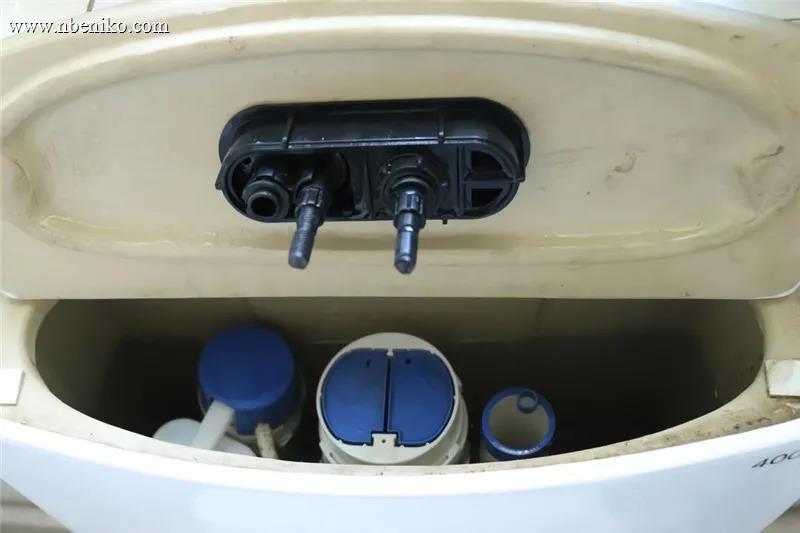
Adjust the toilet connecting rod clockwise to shorten it, which reduces the water volume. Rotate the connecting rod counterclockwise to lengthen it and increase the water volume. You can adjust the length freely according to actual needs to greatly boost the toilet’s water flow.
02 Continuous Water Leakage There was a news report about an elderly thrifty couple in Dazhou, Sichuan. They found that their household water consumption hit 2,621 tons within 5 months, resulting in a staggering water bill of 18,000 yuan. After troubleshooting for a long time, the root cause turned out to be an old toilet that had not been used for years!
Toilet leakage is really annoying and frustrating!
Let’s first learn how a toilet flush works: Toilets may have different flushing mechanisms, yet they follow roughly the same principle.
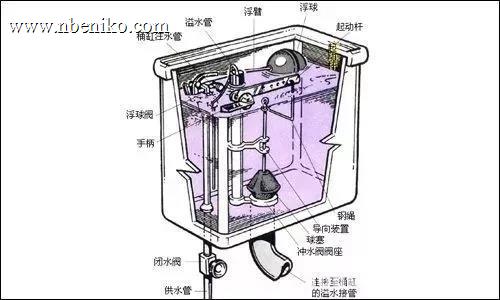
When you press the flush button, it pulls the lever. The lever lifts the outlet seal, and water from the tank rushes out.
Once the tank is empty, the outlet seal drops automatically to block the drain without the buoyancy of water. Likewise, the float falls as buoyancy fades, pulling up the inlet seal to refill the tank with water.
Three Steps to Prevent Toilet Leakage:
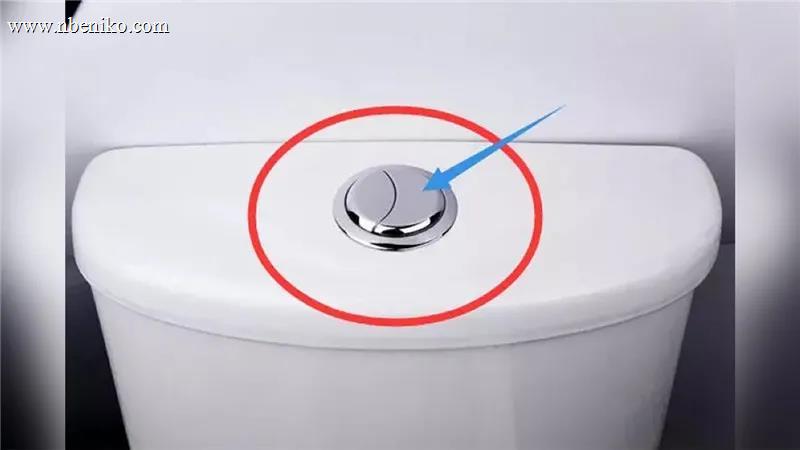
First, check whether the flush switch has returned to its original position. The flush switch of some toilets may get stuck occasionally after long-term wear and fail to reset. Usually, it can be reset by toggling the switch several times.
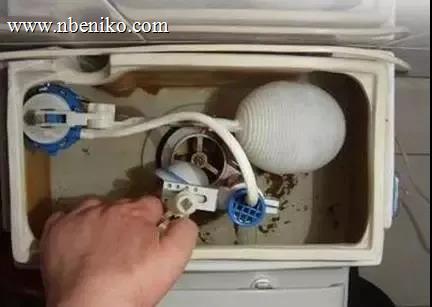
Second, check if the connection between the tank ball float and the inlet switch is loose. If the float is in place but the switch fails to shut off, water will keep flowing. Once full, water overflows through the upright overflow pipe. Simply tighten the joint between the float and water valve switch to fix it.
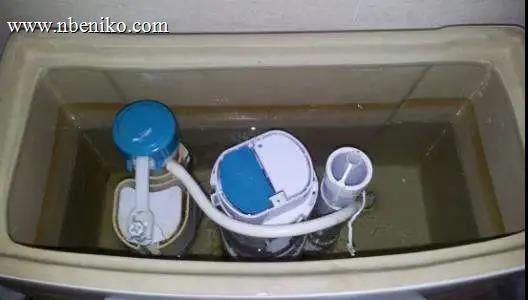
Thirdly, if the water tank leaks, it is usually caused by the drain valve. Check the rubber stopper at the tank outlet. If the rubber stopper is damaged or blocked by debris, resulting in poor sealing, the toilet will keep running nonstop.
03 Toilet Clogging A clogged toilet can be quite embarrassing. What should you do when your toilet gets blocked at home? Here are three handy tips to clear the clog quickly!
Plunger or cloth mop: If you have a plunger, pump it a few times. If not, a cloth mop will work instead.
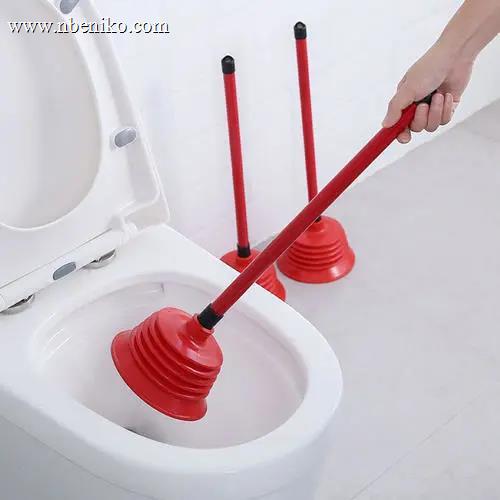
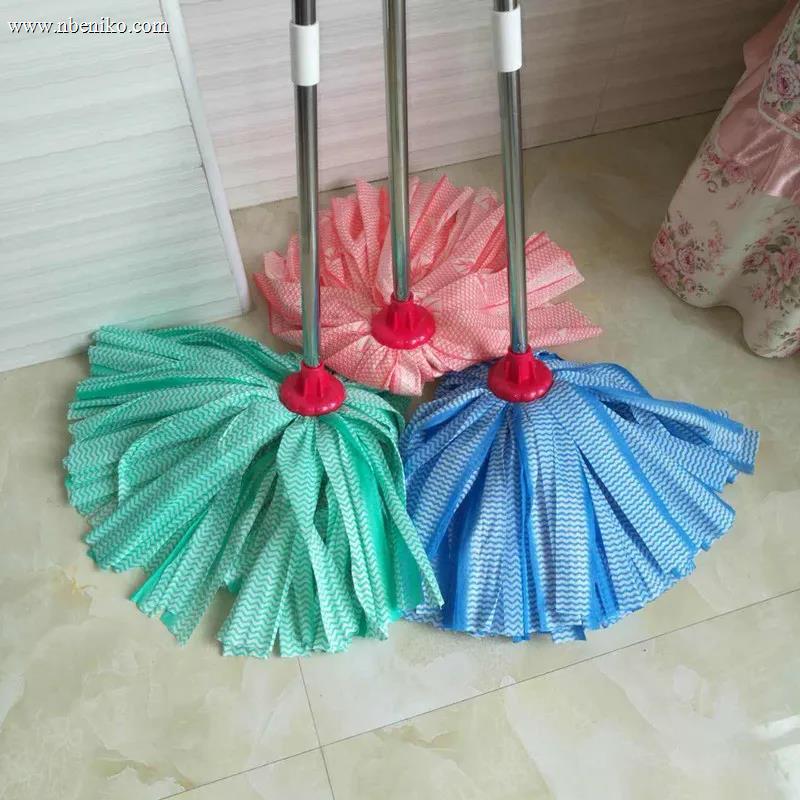
First, fill the toilet with water. Block the toilet drain with a plunger or cloth stopper. Push down firmly then release. Repeat the pressing and releasing motion so the water impacts the clog. Keep doing this until the blockage is flushed away.
Seal with tape:
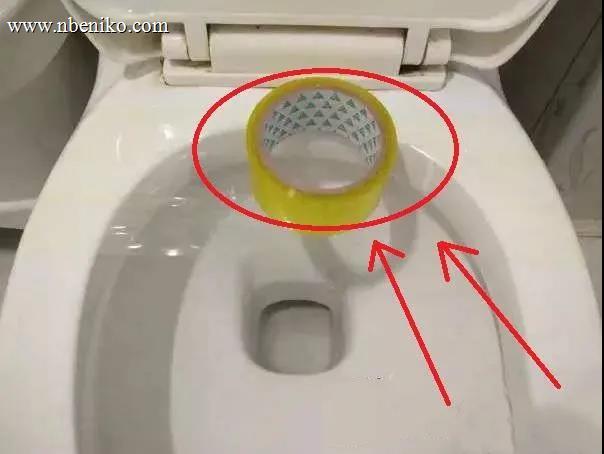
Seal the toilet with overlapping strips of tape. Note: Do not stretch the tape too tight, yet ensure all strips stick together airtight. Then flush the water. Press down the tape once it bulges, repeat flushing and pressing until the clog is cleared.
Baking Soda + White Vinegar:
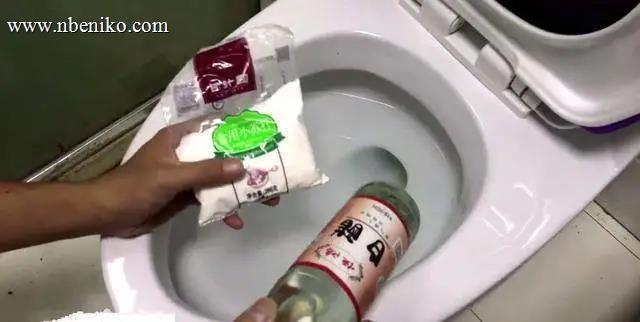
Pour baking soda and white vinegar into the toilet at a 1:1 ratio. Wait for 15 minutes, then pour in boiling water. A fascinating chemical reaction takes place to unclog the drain. Carbon dioxide gas produced during the reaction creates pressure that clears the pipe. Give it a try next time.
04 Odor Removal A clean, odor-free toilet reflects the taste of a household. Sometimes the toilet stinks terribly. Most of us can only turn on the exhaust fan, close the door quickly and leave.
No matter how promptly you flush, stubborn grime will build up on the toilet over time, affecting the quality of life for your whole family!
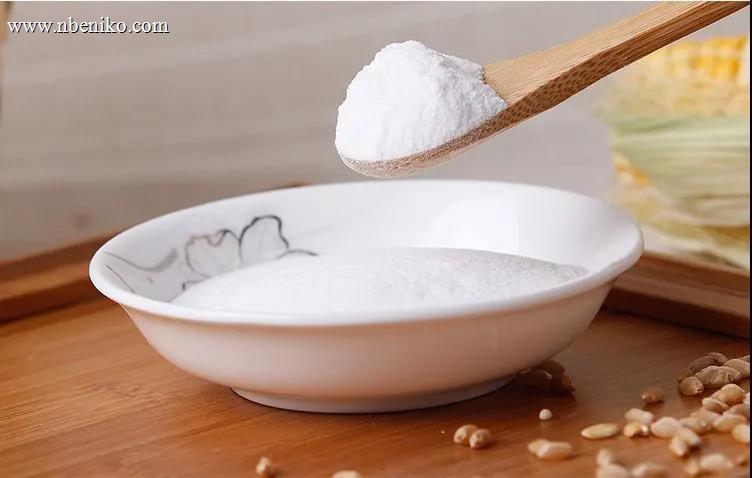
Baking soda is a powerful helper for removing toilet stains and odors. Sprinkle baking soda inside the toilet to cover the stains on the bowl. Baking soda can soften stains, making the toilet much easier to clean later.
Then place a cup of vinegar in the bathroom. Acetic acid molecules react with ammonia molecules to create odorless substances, eliminating bad smells in the bathroom instantly!
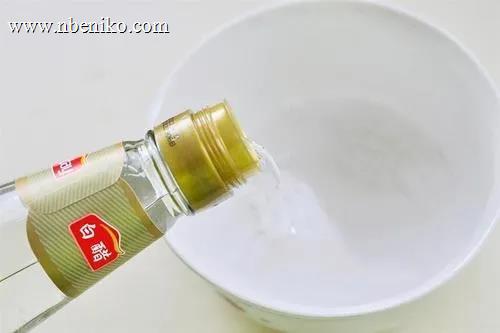
Don’t forget to ventilate the bathroom regularly to prevent odors and harmful bacteria from lingering!
In the hot summer, solving these common toilet problems brings you a clean, fresh and odor-free summer experience.
ANIKO helps you solve toilet troubles in summer:
ANIKO is committed to smart toilet seats. Adopting a tankless design, ANIKO smart toilet seat connects directly to the water supply pipe, unlike traditional toilets with a large built-in water tank. It eliminates stored water, reduces the growth of bacteria and microbes for better hygiene. Issues such as weak flushing and water leakage will no longer occur. Meanwhile, ANIKO smart toilet seat comes with sterilization and deodorization functions, freeing you from toilet odors in summer!
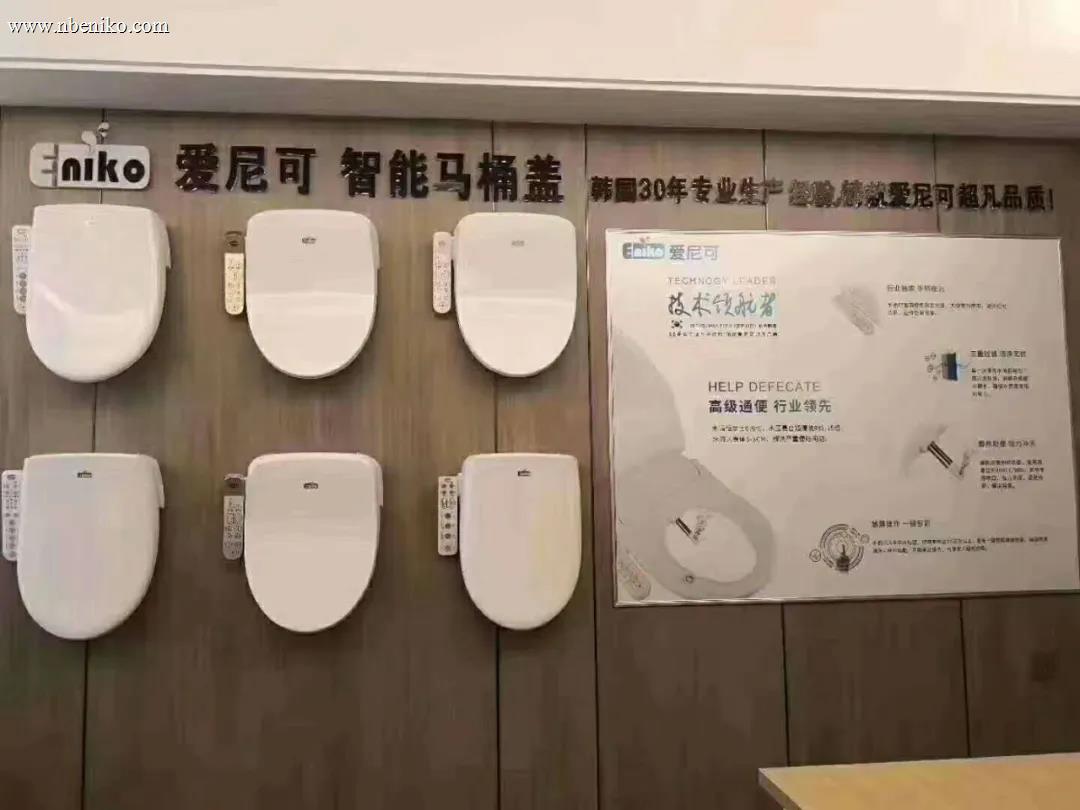
Thirty years of honing one craft. ANIKO has specialized in the sanitary ware industry for 32 years, building exceptional quality for ANIKO smart bathroom products.
Craftsmanship, Touching the Future Smart Living, Built with Warmth